Feeling Like Myself Again – Mind Clear, Body Energized
It’s Friday—five days since getting home from vacation—and I’m finally starting to feel like my calm, energetic self again. It took this long to truly regain my composure, balance my sleep, and restore my energy levels. The brain fog has lifted, and I feel clear-headed and ready to tackle the day!
It’s amazing how the body works. If you notice feeling “off” a day—or even two or three—after eating something, don’t ignore it. Maybe you’re achy, unusually tired, mentally foggy, or breaking out. These are often subtle signs that your body is reacting to something in your food. It’s not always immediate like an allergy. Sometimes, sensitivities take a little longer to show up.
Your body is smart. It’s always trying to tell you something. Tune in. Be intuitive. Make small changes—even micro-adjustments—toward a better, smarter, healthier you.
This weekend, I’ve got a few things on my agenda:
Visiting the farmers market to find new partners in my health journey
Laying new floors in the basement
Replacing baseboards in the bedrooms
Prepping the house to go on the market
Alongside my wellness journey, I’m also on a mission to live a simpler, more sustainable life. That means downsizing and intentionally surrounding myself with things that bring peace. One fun step I took this week? I started a worm composting bin! Have you ever tried that? I’d love any tips, ideas, or sustainable living hacks you’ve discovered.
Peace
More updates to come soon 😊 Wishing you a wonderful, grounded da
Last week, my girls and I had the best vacation. We took a road trip to Niagara Falls and spent a few days exploring both the beautiful U.S. side and venturing into Canada. Believe it or not, this was my first time traveling out of the country—and it definitely won’t be my last! The falls were stunning from both sides.
One of the highlights was the Maid of the Mist tour. Feeling the raw power of the falls up close was incredible—absolutely worth getting soaked! Thank goodness for the ponchos! The Canadian side felt a bit commercialized for my taste, but the girls loved it. And I have to say, the ice cream from Sweet Jesus might have been the best I’ve ever had. (Even though my stomach wasn’t thrilled afterward… I’m just not used to that much sugar and dairy anymore!)
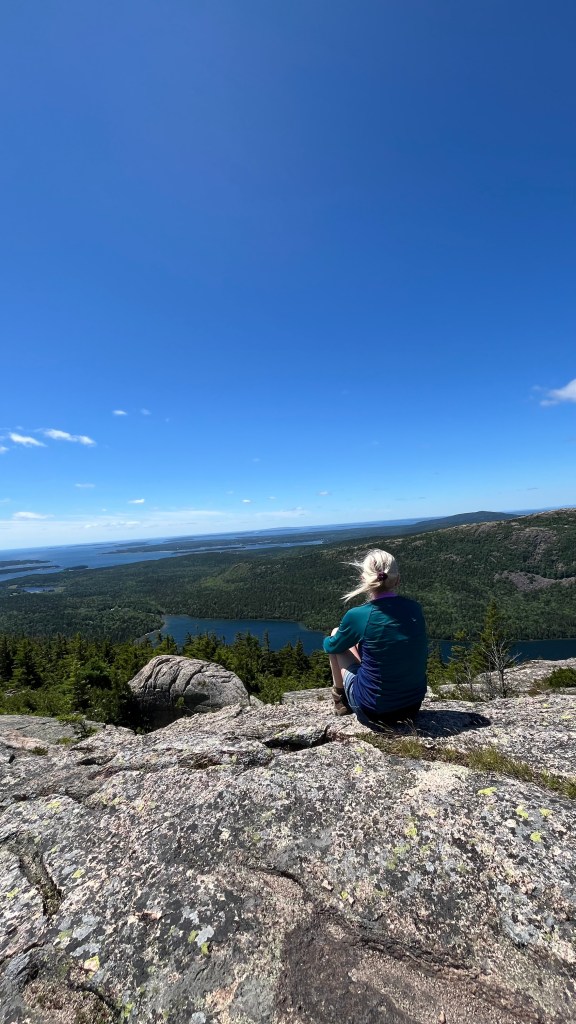
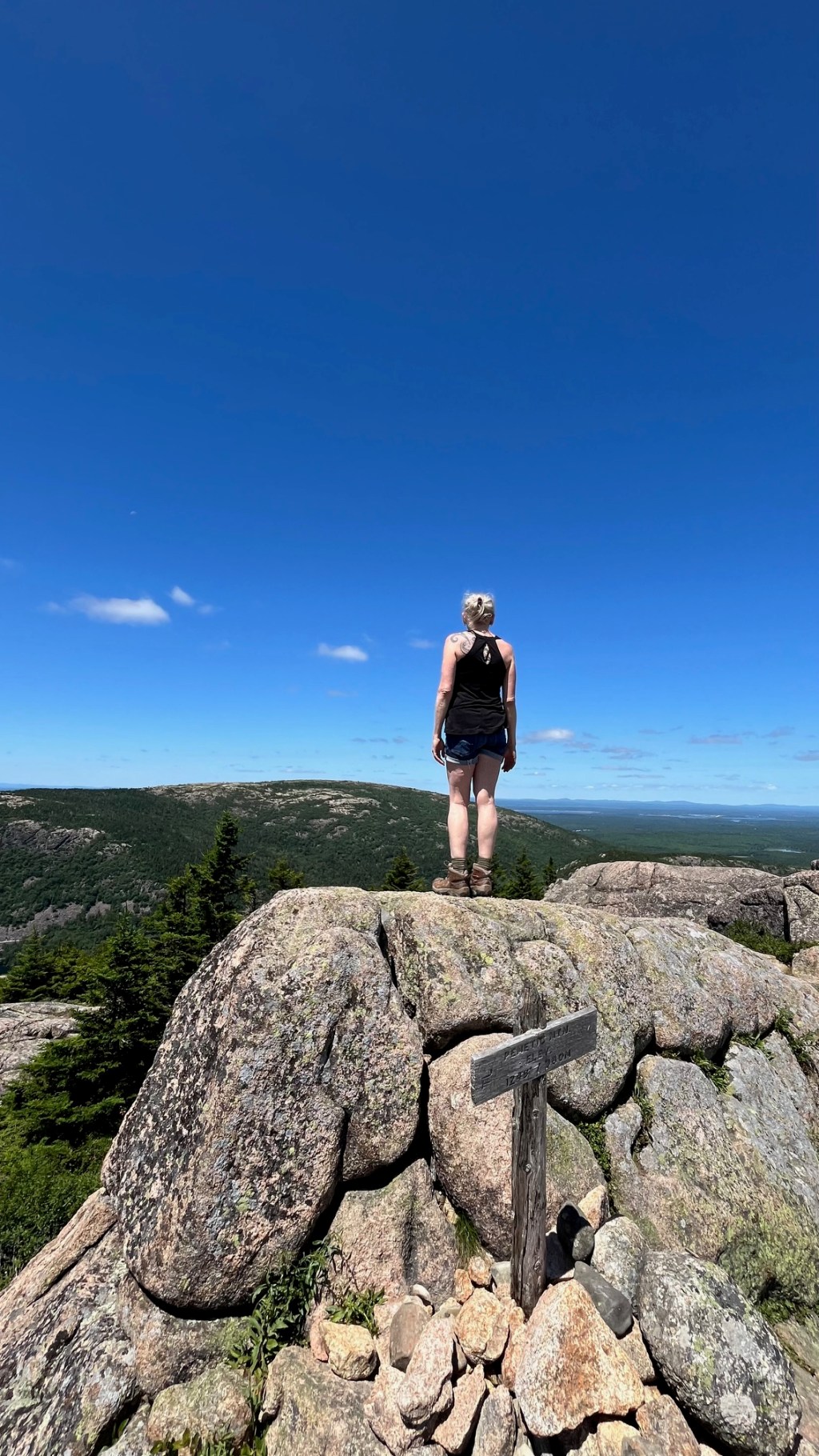
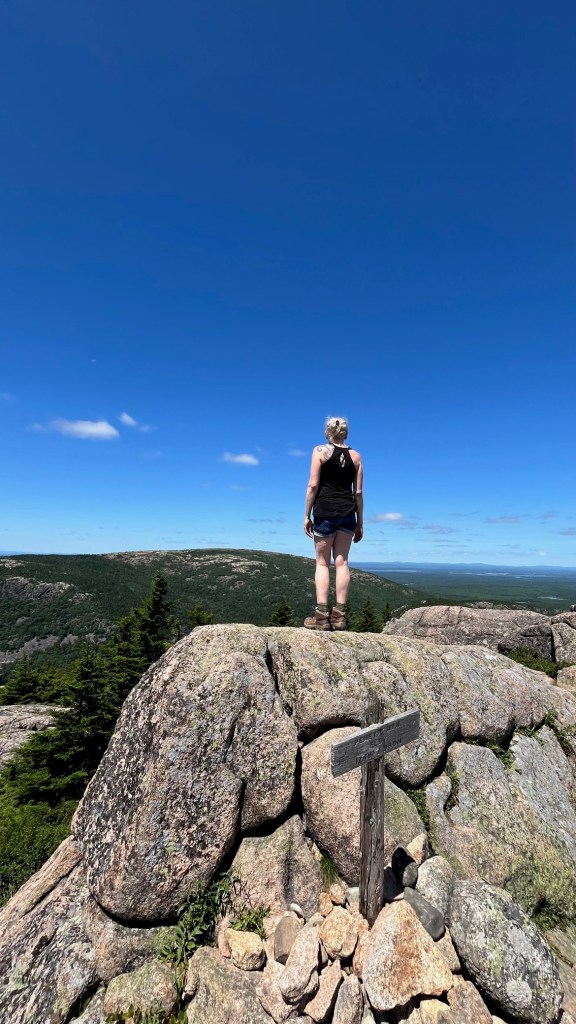
Then we ventured up to Acadia National Park—so beautiful! One day, we hiked up a mountain over rock scrambles… it was steep but the views from the top were absolutely worth it. The trip down was just as epic—more scrambling and even some ladders into a ravine. So cool! 🔥
We actually started the trip off strong, food-wise. I packed healthy travel snacks—nuts, grass-fed meat sticks, crunchy veggies, Applegate lunch meat, cheese, and Simple Mills crackers. We even brought food to cook over the campfire like burgers and shrimp—so good!
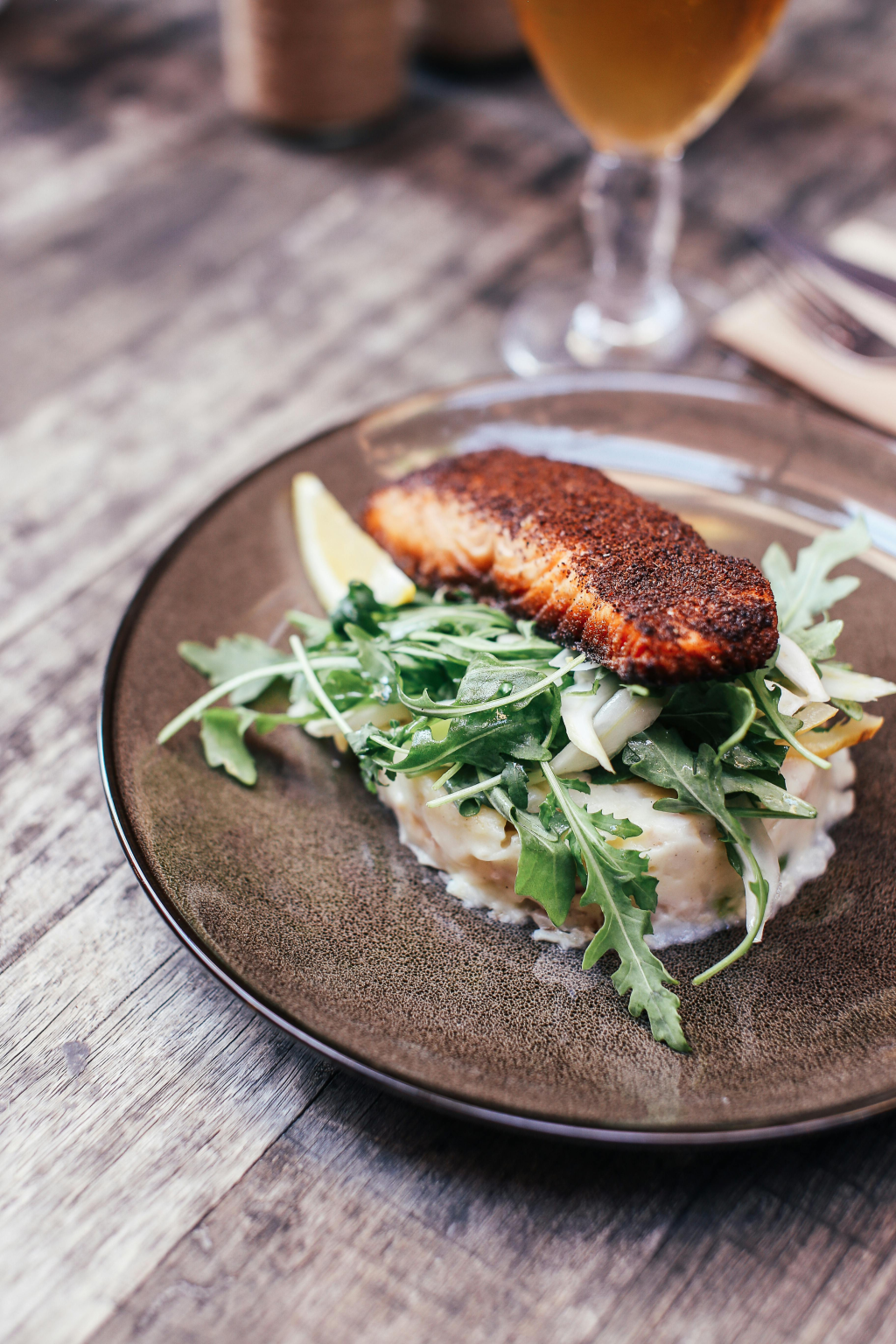
As the week went on, we ate out more, which was fine—we tried to stick to less-processed, more home-style meals. But let’s be honest: there was ice cream… and s’mores… and then came the 16-hour drive home. That’s where it all went downhill. We hit a fast-food place late in the drive, and I ordered a burger, fries, and a Frosty. Yikes.
The next day, I felt awful—fatigued, foggy, bloated, and just off. I’m normally up early and working out before the day starts, but instead, I went back to bed. My energy was zapped.
Here’s the deal: ultra-processed foods are typically loaded with sugar, which feeds the bad bacteria in your gut and disrupts your microbiome. That imbalance can lead to inflammation throughout your body—including your brain. Many of these foods also contain refined grains that rapidly convert to sugar, compounding the problem. Add in the genetically modified corn and wheat (which are often sprayed with glyphosate, a pesticide originally developed as an antibiotic), and your gut flora takes a major hit.
This isn’t how I normally feel—and that’s why I’m so grateful for my usual clean, whole-foods lifestyle. Today, I’m back to basics: clean water, no gluten or added sugar, minimal dairy, and lots of gut-loving nourishment. It makes such a difference.
Processed food and excessive sugar don’t just mess with digestion—they can cause fatigue, depression, aches and pains, brain fog, poor sleep, and more. No thank you!
Next vacation, I’ll still enjoy a few local treats—I’m all about balance, not deprivation—but in moderation. I want to keep traveling, trying new things, and living fully for the next 50 years! And to do that, I need to fuel my body in a way that supports my health and vitality.
Nourishment is the highest form of self-care. Give your body—and your gut—a chance to thrive. Choose real, whole foods over processed ones. You’ll feel the difference. And when you feel better, you’ll naturally want to make other healthy lifestyle changes too. You can feel strong, vibrant, and full of energy—at any age.
I’m currently two days into a 3-day water fast—yep, just water (well and black coffee:))! You might be wondering… why on earth?! Well, I’ve been dealing with a nagging hip flexor injury that just won’t seem to heal. It’s stiff in the mornings and flares up after walks or hikes. Honestly, it’s been bothering me for years. I first injured it chasing after my dog (total cartoon moment), and then re-injured it falling through a hole in my deck—don’t ask!
I’ve been practicing intermittent fasting for quite a while now and love how it makes me feel. Plus, it frees up so much time—no need to worry about making breakfast every morning!
Recently, I came across Dr. Mindy Pelz’s book, Fast Like a Girl, and was intrigued by what she calls the Immune-Reset Fast—a 72+ hour fast designed to help with chronic inflammation and pain from long-standing musculoskeletal injuries (sounds familiar, right?). Even better? She shares that longer fasts like this can trigger a stem cell surge that supports cellular repair and anti-aging. I mean, aging backwards while healing my hip? Sign me up!
So how’s it going?
Day 1 was a little rough. I’ve done several 24-hour fasts—I typically do them weekly or every couple of weeks for gut health and as a reset—but pushing past that mark was new. Day 2 honestly hasn’t been too bad. I had a stressful moment at work (which usually sends me reaching for a snack), but once I got home, I was surprisingly fine. I didn’t even miss dinner!
I’m super curious to see how I’ll feel tomorrow. I’ll be sure to report back and share what I’ve learned, especially if this helps ease my hip pain and gives me that youthful energy boost!
Thanks for following along—and if you’ve ever considered fasting for healing or anti-aging, I’d love to chat more about it!
Why Is Eating Out So Hard When You’re Gluten-Free?
Last Saturday was a special day—my daughter’s graduation party! It was filled with love, laughter, and meaningful conversations. One of those conversations really stuck with me.
As we chatted with family (yes, even though I’m no longer married to her dad, I still consider his family an extension of mine 😊), the topic of gluten sensitivities, celiac disease, and even food dyes came up. It’s something I’ve had personal experience with—both my daughter and I have eliminated most gluten from our diets due to health concerns, and the difference has been noticeable.
For me, avoiding gluten hasn’t felt overly difficult. I enjoy cooking and baking from scratch, and I’m not someone who eats out often. But during our conversation, it hit me—for people who are more social, who love dinners out and catching up with friends over a meal, navigating food sensitivities can be incredibly challenging.
And honestly, that got me thinking: why does it have to be so hard?
There are so many people dealing with food sensitivities—not just to gluten, but also artificial dyes, MSG, excess sugar, and high-fructose corn syrup, which are rampant in most restaurant foods. Shouldn’t we be able to go out and enjoy a meal without fearing a reaction or spending the night feeling awful?
So, I’m Taking Action.
I’m starting a mission to find and support local restaurants that are gluten-free friendly and celiac-aware. Not big chains—but smaller, community-focused places that might actually listen and care.
Over the next few months, I’ll be reaching out to restaurant owners and managers, sharing what I’ve learned, and asking if they’re open to adding more inclusive, allergen-aware options to their menus. I’ll share what I find here on the blog.
And Here’s Where You Come In…
Let’s start a movement—because change starts with us. If you or someone you love has struggled with food sensitivities, don’t stay silent. Speak up at your favorite local restaurants. Ask questions. Share your needs. Encourage them to consider healthier, safer options.
🌱 When more of us raise our voices, we create momentum—and that’s how real change happens.
Please share this post with friends and loved ones who care about wellness, real food, and safe dining experiences. If you know of a great gluten-free spot, please share it with me—I’d love to highlight them!
✨ Follow along for updates as I connect with local restaurants, share tips, and post progress. My full website is coming soon—and I can’t wait to grow this community with you.
Feeling “Off”? It’s Time to Look at the Root 🚿🧠 How daily choices quietly shape how you feel
Are you feeling a little off lately? Low energy, brain fog, nagging aches, digestion issues, or just not feeling like yourself?
You’re not alone—and here’s the thing: jumping from specialist to specialist for every symptom is an outdated approach. Your body works as a whole, interconnected system. What you eat, how you sleep, your movement, stress levels, and even your relationships all influence your well-being.
One System, Many Signals
👉 One person might get migraines 👉 Another, joint pain 👉 Someone else? Skin flare-ups, bloating, or high blood pressure
These symptoms are often signs of deeper imbalances—your body waving a flag. They aren’t random; they’re often the result of daily habits stacking up over time.
Genes Load the Gun, Lifestyle Pulls the Trigger
Your genes aren’t your destiny. What matters more is epigenetics—how your environment and behavior influence which genes are activated or silenced. That’s why two people with similar DNA can have very different health outcomes.
Here’s something even more fascinating: You’re likely to reflect the health of the people you spend the most time with. Not because of shared genes—but shared habits.
80% of Health Happens Outside the Doctor’s Office
Let that sink in.
If you want more energy, better focus, improved mood, and to prevent chronic disease—it starts with everyday choices. The small, repeatable ones.
Where to Begin? Start Simple:
💧 Drink more water 🥗 Add a veggie to your plate 🌞 Move your body in the sun 🧘♀️ Breathe deeply and slow down for five minutes
These tiny actions might not seem like much on their own—but done consistently, they change everything. More energy. More clarity. More joy.
Your Health Shapes Your Life
How you feel impacts every area—your work, your relationships, your resilience, and how you show up for those around you.
When you care for yourself, you create a positive ripple effect that reaches far beyond you.
So if something feels off, don’t just treat the symptom. Get curious. Look deeper. Small steps lead to lasting change.
✨ Choose what supports the life you want to live—starting today.
Why You’re Not Tired Because You’re “Just Getting Older” — And What to Do Instead
Ever wake up feeling tired, sluggish, or just off… and chalk it up to “getting older”?
Here’s the truth: That low-energy, foggy feeling isn’t an unavoidable part of aging — it’s a sign your body is asking for a reset.
Your Daily Choices Matter More Than You Think
Everything you eat and drink… Every product you put on your skin… The air you breathe… The sleep you get… The love, gratitude, and connection you give and receive…
All of it has a direct and immediate impact on how you feel — from the moment you open your eyes in the morning to the quality of your sleep at night.
Want to Feel Better, Brighter, and More Energized?
The good news: it doesn’t take months or magic to start feeling better. In fact, you can feel a noticeable difference in as little as 10 days. But here’s what you need to know…
A Pill Won’t Fix It (And That’s Actually Good News)
Most people turn to their doctor when they don’t feel right — and while doctors are amazing for emergency or acute care, they’re not trained to address root causes of everyday issues like fatigue, mood swings, or inflammation.
Did you know most medical schools provide less than 25 hours of nutrition education in total? That means prescriptions often treat symptoms, not the underlying imbalances. And if a pill really fixed the issue — why would you need refills?
So, What Will Help?
It starts with what’s on your plate.
Here’s your 10-day reset:
✅ Cut out:
Ultra-processed foods
Packaged snacks loaded with additives
Sugary drinks and sodas
✅ Add in:
Real, whole, clean foods — fruits, vegetables, healthy fats, lean proteins, and lots of water
When you nourish your body with clean, unprocessed fuel, everything begins to shift: 💡 You think more clearly ⚡️ Your energy stabilizes 🌿 Your mood improves 😴 Your sleep deepens 💚 Your future self will thank you
And the best part? Even your taste buds will start to change — and soon you’ll actually crave the good stuff.
Start Small. Start Today.
No, it’s not aging. It’s a lifestyle — and it’s one you can transform. You are not stuck. You are not broken. And your best, most energized self is just a few mindful choices away.
Ready to feel better?
Start with what’s on your fork. Your body is listening — and it’s ready to thrive. 🌱
Like many women, I spent much of my life caught in the endless cycle of dieting. In my younger years, I chased the idea of “skinny”—as if fitting into a certain size equated to happiness. But as the years passed and life unfolded—especially after having my first child—I began to shift my focus. That’s when I discovered running, and not long after, the empowering world of strength training.
Despite my efforts, I continued to struggle—not just with weight, but with persistent cystic acne. It wasn’t until a few years ago, when I made a major shift in my eating habits and cut out most gluten and grains, that I truly saw a transformation. The impact on my body and overall well-being was profound.
Then life threw us a curveball. After a long stretch of unexplained illness, my oldest daughter was diagnosed with Sjogren’s syndrome—an autoimmune condition. The immune-suppressing medications prescribed made her incredibly ill, so I made a tough but intuitive decision: to throw them out. I knew we had to look deeper.
As fate would have it, we were on vacation in Florida when we met an amazing woman at a natural health store. She pointed us in the direction of gut health, and everything changed. I dove headfirst into researching autoimmune diseases and nutritional healing. We began eliminating gluten, introduced supplements, and step by step, my daughter started to recover. There were still lingering symptoms, but one by one, we’ve addressed them.
Then came menopause—a whole new challenge. My body ached, old injuries flared up, and nothing seemed to work. I tried everything from paleo to plant-based diets. But true relief came when I enrolled at the Institute for Integrative Nutrition. The most valuable lesson? We are all bio-individuals. There’s no one-size-fits-all when it comes to healing.
One of the biggest hurdles for me was something seemingly small: the nightly glass or two of wine I had picked up during the pandemic. I didn’t realize how deeply it was affecting my energy, my mood, and my healing. Once I let go of that habit, everything began to change. My energy soared, mental clarity returned, and my body felt alive again. I combined this shift with intermittent fasting and occasional extended fasts, and that’s when things really clicked.
Today, I’m on the cusp of graduating as an Integrative Nutrition Health Coach. This journey has changed me at every level—not just physically, but emotionally and spiritually. I’m stronger, more present, and more in tune with myself and my daughters than ever before.
And now, I’m ready to help others. Because healing is possible. It doesn’t start with restriction—it starts with understanding, with compassion, and with taking the first small step toward listening to your body.
If you’re ready to start your own healing journey, I’m here to support you. 💚
If you’re walking through a tough moment right now—in your business, your motherhood journey, your health, your relationships, or spiritually—I want you to take a deep breath and feel this:
On the other side of darkness is always light. On the other side of every challenge is growth. And on the other side of this mountain? A more evolved, more powerful version of you is waiting.
I’ve been deep in it myself these past few weeks. Since Prince got sick, he’s been waking every 1 to 2 hours through the night to feed. It’s been a lot. A lot of me. A lot of giving. A lot of long, lonely nights. And in those moments—when I feel like I’m running on empty—I keep reminding myself…
This will pass. I am strong. This is shaping me.
Most nights, I lie there in the dark and pray.
I ask for strength to get through one more night. One more feed. And I know… This season is building a stronger, more resilient version of me.
So whatever your mountain looks like right now— Whatever challenge you’re facing— Say thank you.
Thank you for the clarity this moment will bring. Thank you for the strength being built in the climb. Thank you for the woman emerging through it all.
Choose Your Hard: The True Cost of Chronic Disease and Unhealthy Living
Chronic diseases—like heart disease, type 2 diabetes, respiratory illnesses, certain cancers, and dementia—aren’t just medical conditions that appear out of nowhere. In many cases, they’re the long-term consequences of poor diet and lifestyle choices.
We all know the basics: eat healthy, exercise regularly, get enough sleep, manage stress. But despite this common knowledge, millions continue to struggle with preventable chronic illnesses. Why?
Because people say eating healthy is hard. Because cooking at home takes time. Because gym memberships cost money. Because life is busy, stressful, and overwhelming.
Yes—living a healthy lifestyle can be hard. But let’s not forget: the alternative is even harder.
The Real Cost of an Unhealthy Lifestyle
Think eating healthy is too expensive? Try calculating the cost of:
Frequent doctor visits and specialist appointments
Prescription medications to manage chronic symptoms
Missed work due to illness or fatigue
Emergency room visits or hospital stays
Long-term care or nursing home expenses
Increased health insurance premiums
A declining quality of life
These are not just hypothetical scenarios—they are the real, everyday consequences of neglecting your health. The financial, emotional, and physical costs of chronic disease far outweigh the price of healthier groceries or a gym membership.
Choose Your Hard: Prevention vs. Treatment
Is preparing a home-cooked meal harder than managing insulin injections? Is going for a walk harder than recovering from heart surgery? Is setting a bedtime harder than living with brain fog and fatigue?
Both paths are hard, but only one leads to long-term vitality, independence, and a better quality of life.
You’re going to choose your hard either way:
The hard of planning meals, saying no to junk food, exercising, and prioritizing sleep.
Or the hard of medications, appointments, physical limitations, and chronic pain.
Healthy Habits Are an Investment, Not an Expense
Preventing chronic disease through healthy eating, regular physical activity, and lifestyle improvements is one of the best investments you can make—for yourself and for your loved ones. The sooner you start, the more your future self will thank you.
You don’t need to be perfect. Small, consistent changes go a long way. Cook one more meal at home each week. Take a 15-minute walk. Swap soda for water. Get an extra hour of sleep. It all adds up.
Final Thoughts
Chronic disease prevention starts with the choices you make today. It’s not about restriction or perfection—it’s about protecting your health, your energy, your time, and your finances. Don’t wait for a diagnosis to start caring. Start now.
If you’ve been struggling to make positive changes in your health and wellness, you’re not alone. Maybe you’ve tried diet after diet, started new habits, or made promises to “start fresh”—only to slip back into the same old patterns. It’s frustrating, and it might feel like sustainable health just isn’t possible for you.
But here’s what I’ve learned—both through my personal journey and working with clients: You can’t change your habits or health behaviors without first shifting the thoughts that come before them.
Every action is rooted in a thought. Our thoughts shape our feelings, and those feelings drive our choices. Whether it’s late-night snacking, skipping workouts, or feeling stuck in low energy—it all starts with your mindset.
The Mind-Body Connection Is Real
If you want lasting change in your body, you need to start with your mental and emotional health. That means looking at the stories you’re telling yourself. What do you believe about your body, your worth, your ability to change?
Take a moment to tune into your self-talk. Write down what you hear. Then ask yourself: Is this actually true? So often, we carry old beliefs or inherited narratives that no longer serve us—and they’re quietly holding us back.
When you begin to shift that internal dialogue—from judgment to compassion, from doubt to trust—you make space for real transformation. You start making choices from a place of respect and care rather than guilt or shame.
Wellness Begins With Awareness
Your body is not something to fix—it’s something to care for. Nourish it with real, whole foods. Prioritize rest. Choose movement that supports you. And above all, treat your body like the sacred home that it is.
True wellness doesn’t happen overnight, and it isn’t found in a quick fix. It happens through small, intentional shifts—one thought, one choice, one day at a time.
Ready to Shift Your Story?
If you’re looking to improve your health in a sustainable, personalized way, start with your mindset. Explore what’s holding you back, get curious about your patterns, and be willing to rewrite your story.
Because when you change your thoughts, you change everything.


 WILD ROOTS VITALITY